Dental Implants 101: A Complete Beginner’s Guide
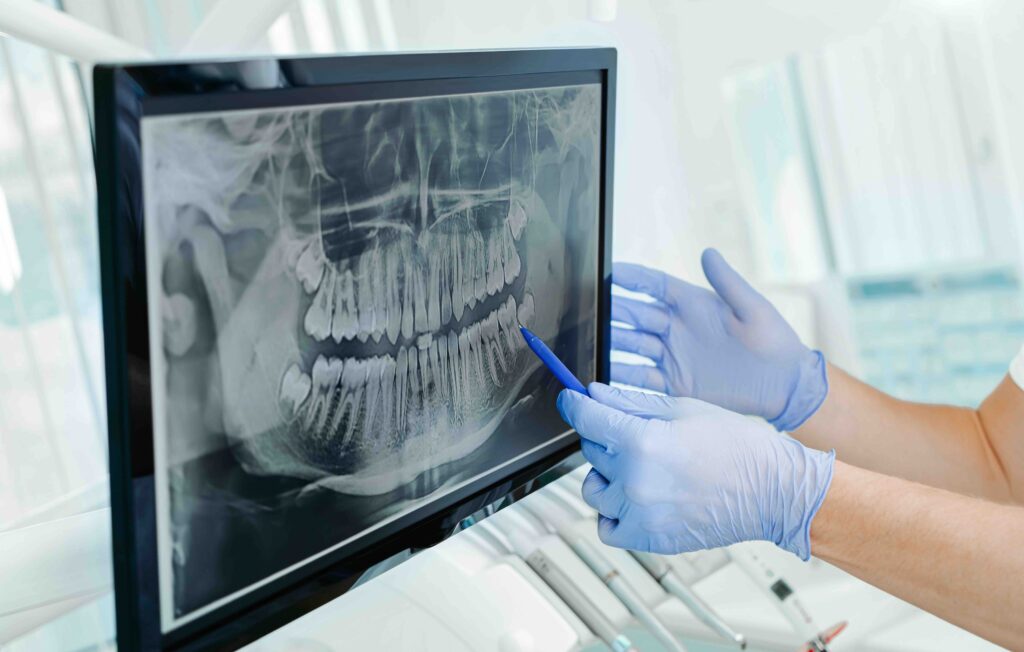
Losing a tooth changes more than your smile. People often notice the obvious cosmetic gap first, but the practical effects usually arrive fast. Chewing becomes awkward. Certain foods shift to one side of the mouth. Speech can feel slightly off, especially with front teeth. Over time, the space can affect neighboring teeth and even the shape of the jawbone underneath. That is where dental implants enter the conversation.
Dental implants have become one of the most reliable ways to replace missing teeth because they do something bridges and dentures cannot fully do. They replace both the visible tooth and the root structure below the gumline. For many patients, that root replacement is the real game changer. It gives stability, helps preserve bone, and creates a result that can feel remarkably close to a natural tooth.
If you are new to the topic, it helps to strip away the jargon. The process is not mysterious, but it does involve planning, healing time, and decisions that matter. Some people are excellent candidates and move through treatment smoothly. Others need preparatory work, such as bone grafting or gum treatment, before an implant makes sense. Understanding the basics upfront makes the entire process less intimidating and helps you ask better questions at your consultation.
What a dental implant actually is
A dental implant is a small post, most often made from titanium or a titanium alloy, that is placed into the jawbone where a tooth root used to be. After placement, the bone heals around the implant in a process called osseointegration. Once that bond is stable, the implant supports a replacement tooth, usually a crown, or in some cases a bridge or denture.
That distinction matters. When people say they are “getting an implant,” they are often referring to the full package. Clinically, though, there are separate parts. The implant itself sits in the bone. An abutment connects the implant to the visible restoration. The crown is the tooth-shaped portion you see above the gumline. Each part has its own role, timeline, and cost.
The reason implants feel different from a removable denture is that they are anchored. A well-integrated implant does not slide around, and it does not rely on neighboring teeth for support the way a traditional bridge does. For patients who have struggled with a loose lower denture, the first time they bite into something securely after implant treatment can be a genuinely emotional moment.
Why implants became such an important option
A missing tooth is not always an emergency, but it rarely remains a simple cosmetic issue. Bone in the jaw responds to use. When a tooth root is lost, the bone in that area no longer receives the same stimulation from chewing forces. Over time, the body starts to resorb, or shrink, some of that bone. The change is gradual, but it can affect future treatment options, especially if years pass before replacement is considered.
This is one reason dental implants are often recommended sooner rather than later. They help preserve the bone where the tooth was lost. They can also prevent the drift that commonly happens after an extraction. Adjacent teeth may tip into the space, the opposing tooth can over-erupt, and what started as one missing tooth can slowly create a more complicated bite problem.
There is also the comfort factor. A removable partial denture can work well for some people, and full dentures still have an important place in dentistry. But many patients want a fixed solution. They want to smile without thinking about movement, eat without adhesive, and clean around something that feels integrated into their routine rather than separate from it.
Who is a good candidate
The short answer is that many adults are candidates, but not everyone is ready for implant surgery on day one. Good candidates generally have a healthy mouth, enough bone to support the implant, and medical conditions that are reasonably controlled. Age by itself is rarely the issue. A healthy 72-year-old may be a better implant candidate than a 38-year-old with severe untreated gum disease and heavy smoking habits.
Dentists and oral surgeons usually look closely at several factors before recommending treatment:
- overall gum health
- bone volume and density at the site
- smoking or vaping habits
- conditions such as uncontrolled diabetes or immune suppression
- commitment to long-term home care and follow-up visits
Bone quality is often the hidden variable. A patient may assume the main question is whether there is a visible gap, but the more important question is what the bone underneath looks like. That is why three-dimensional imaging, often a CBCT scan, is so valuable. It allows the clinician to evaluate width, height, and the position of nearby structures such as the sinus in the upper jaw or the nerve canal in the lower jaw.
Smoking deserves special mention because it is one of the most common risk factors that patients underestimate. Heavy tobacco use does not automatically rule out implants, but it does raise the risk of delayed healing, implant failure, and future inflammation around the implant. The same concern increasingly applies to nicotine vaping. Patients often assume vaping is neutral from a surgical standpoint. It is not.
The common reasons people need them
Most implant cases start in one of a few familiar ways. A tooth may be lost to deep decay that cannot be restored. It may fracture below the gumline. Long-standing gum disease can loosen teeth beyond repair. Trauma is another common cause, particularly for front teeth, where the emotional and cosmetic impact can be immediate.
Sometimes the decision is more strategic. A molar that has had multiple root canals, large fillings, and a crack may still be present, but the long-term outlook is poor. In those cases, some patients choose extraction and implant treatment rather than continuing a cycle of temporary repairs. That is a judgment call, not a one-size-fits-all rule. Saving a natural tooth is generally the first preference when the prognosis is sound. An implant is excellent, but it is still a replacement.
The planning stage matters more than people think
One of the most important truths about dental implants is that success is often determined before surgery begins. Proper planning shapes implant position, gum appearance, bite forces, and long-term cleanability. A beautifully integrated implant that ends up in a poor position can still create years of frustration.
Experienced clinicians plan backward from the final tooth. They consider how the crown should look and function, then determine where the implant needs to sit to support that outcome. This is especially important in the front of the mouth, where tiny changes in angulation or gum contour Dental Implants oaksdentistry.com can affect symmetry and appearance. In the back of the mouth, the focus often shifts more heavily toward force distribution, bite clearance, and access for cleaning.
A good consultation should cover more than yes or no. It should address alternatives, timing, healing expectations, cost, and the condition of the surrounding teeth. If a nearby tooth is cracked, heavily restored, or likely to need treatment soon, that affects the broader plan. Implant dentistry works best when it is integrated into an overall oral health strategy, not treated as a stand-alone procedure.
What the process usually looks like
Timelines vary, but the basic flow is fairly consistent. Some patients can have a tooth removed and an implant placed the same day. Others need a healing period first, especially if there is infection, extensive bone loss, or inadequate bone stability at the time of extraction.
Here is the typical sequence:
- consultation, imaging, and treatment planning
- extraction if needed, sometimes with grafting at the same visit
- implant placement and a healing period of several weeks to several months
- attachment of the connector component and impressions or digital scans
- delivery of the final crown, bridge, or denture
The healing window surprises many first-time patients because it can feel slow. That said, biology does not rush just because the calendar is inconvenient. In many routine cases, the implant may need roughly three to six months to integrate before it is loaded with the final tooth. Some cases move faster. Others, especially those involving grafts or sinus lifts, take longer.
Immediate temporary teeth are sometimes possible, particularly for front teeth, but they are not always advisable. Stability at placement matters. So does bite design. A temporary tooth that looks good on day one but overloads a fresh implant can create avoidable problems. When clinicians are conservative about timing, it is usually for a reason.
Does getting an implant hurt?
This is usually the first question patients ask, and the honest answer is that the procedure is often easier than people expect. Most implant placements are done with local anesthesia, similar to what is used for fillings or extractions. Sedation may be offered depending on the complexity of the case and the patient’s anxiety level.
During the procedure, you should feel pressure and vibration, not sharp pain. Afterward, soreness is normal, but many patients compare it favorably to a difficult extraction. Discomfort tends to peak within the first couple of days and then improve. Swelling varies with the site and the extent of surgery. A single straightforward implant can be surprisingly uneventful. A full-arch case or a procedure involving bone grafting is a different experience and generally requires more recovery time.
The part many patients find hardest is not pain, but patience. Soft diet instructions, healing checks, and waiting for the final crown can feel drawn out. Still, when the process is done carefully, the payoff tends to justify the timeline.
Bone grafting and sinus lifts, explained simply
These terms sound more intimidating than they need to. Bone grafting is used when the jaw does not have enough volume to support an implant predictably. The graft material may come from your own body, a donor source, an animal-derived source processed for safety, or a synthetic substitute. The purpose is not to “grow a new tooth root,” but to create or preserve enough bone for the implant to sit securely.
A sinus lift applies specifically to the upper back jaw. The sinus sits just above the roots of the upper molars and premolars. When those teeth are lost, the available bone height can be limited. A sinus lift gently raises the sinus membrane and places graft material underneath, creating more room for future implant support.
Not everyone needs these procedures. When they are recommended, it is usually because the clinician is trying to improve long-term success rather than forcing an implant into a compromised site. That can mean more time and expense upfront, but it often prevents more costly failure later.
How long dental implants last
This is the question people ask right after they ask about pain. The most accurate answer is that implants can last many years, often decades, but they are not lifetime guarantees. Success depends on the initial placement, bone support, bite forces, oral hygiene, smoking status, and regular maintenance.
The implant post itself often lasts longer than the crown attached to it. Crowns can wear, chip, loosen, or need replacement over time, just like restorations on natural teeth. It is common for patients to assume the entire system is permanent and maintenance-free. It is not. Think of it as high-performance dentistry. Durable, yes. Indestructible, no.
Night grinding is one of the underappreciated threats to implant longevity. Natural teeth have a periodontal ligament that provides a small cushion and sensory feedback. Implants do not. They are rigidly anchored to bone. That is excellent for stability, but it also means excessive forces can be less forgiving. For patients who clench or grind, a night guard is often a wise part of the plan.
The cost question, without sugarcoating it
Dental implants are expensive. There is no responsible way to pretend otherwise. The final fee depends on your region, the specialist involved, whether extractions or grafts are needed, and the type of final restoration. A single implant with a crown may cost several thousand dollars in many markets. Full-arch treatment can rise into the tens of thousands.
What patients are really weighing is not just price, but value over time. A lower-cost option may be appropriate in some cases, especially when budget is tight. A partial denture or traditional bridge can restore function and appearance effectively. But implants may offer advantages in longevity, comfort, and preservation of surrounding structures. The right choice depends on your priorities, anatomy, and finances.
One practical point from years of watching treatment plans succeed or stall: ask for a clear breakdown. Patients do better when they understand what covers surgery, what covers the crown, what costs might arise if grafting becomes necessary, and what maintenance or replacement expenses may occur down the line. Surprises erode trust quickly.
Implants compared with bridges and dentures
Each tooth replacement option has strengths and trade-offs. A younger patient with one missing molar and healthy adjacent teeth may lean strongly toward an implant. An older patient missing many teeth with limited bone and a restricted budget may find a removable solution more realistic and still life-improving. Good dentistry is not about selling one answer to every person.
A bridge can be an excellent treatment, especially when neighboring teeth already need crowns. The drawback is that a bridge typically relies on those teeth for support, which means removing healthy tooth structure if they are otherwise intact. A removable denture is generally less expensive and avoids surgery, but some patients never adapt comfortably to the bulk or movement. Implant-supported dentures sit somewhere in between, often offering a major improvement in stability without requiring a separate implant for every missing tooth.
The most sensible treatment is the one that balances biology, function, cost, appearance, and your ability to maintain it.
Caring for an implant after it is finished
One of the biggest misconceptions is that an implant cannot get into trouble because it is not a real tooth. While implants do not develop cavities, the gums and bone around them can absolutely become inflamed and break down. The umbrella term many patients hear is peri-implant disease. In mild cases, the tissue becomes irritated and bleeds. In more advanced cases, bone loss develops around the implant, threatening its stability.
Daily cleaning matters. So do routine maintenance visits. The techniques may vary depending on the restoration design, but the principle is straightforward: plaque left undisturbed around an implant is as harmful to the surrounding tissue as plaque around natural teeth. People who have struggled with oral hygiene in the past often need frank conversations at this stage. An implant cannot outsmart neglect.
Professional maintenance also matters because instruments and polishing materials may differ from those used on natural teeth. The goal is to clean effectively without damaging the implant surface or restoration. If you have an implant, tell every dental professional who treats you. It sounds obvious, but this detail does get missed.
Problems that can happen, and why honesty is important
Most implant cases go well, but complications are real. Early failure can occur if the implant does not integrate with the bone. Sometimes the cause is poor stability, infection, excessive force, smoking, or systemic healing issues. Late problems can include screw loosening, porcelain chipping, gum recession, peri-implant bone loss, or esthetic issues, especially in the front of the mouth.
The front teeth deserve extra caution because expectations are usually high and anatomy can be unforgiving. Even when the implant is successful from a surgical standpoint, the gumline may not match the neighboring tooth perfectly, especially if significant bone and tissue were lost before treatment. That does not mean the result is poor. It means nature is not always fully reversible, and cosmetic dentistry in that zone requires careful planning and realistic expectations.
This is also why bargain implant dentistry can be risky. Price shopping is understandable, but the cheapest quote does not always include the same planning, materials, lab quality, or follow-up care. A low initial number can become very expensive if revision treatment is needed.
Questions worth asking at your consultation
A strong consultation should leave you clearer, not more confused. Ask who will perform each stage of treatment. Ask whether you need a CBCT scan and why. Ask what alternatives make sense in your case, and what the pros and cons are. Ask about healing time, temporary tooth options, maintenance needs, and what happens if the implant fails to integrate.
It is also reasonable to ask how many similar cases the clinician has managed. That is not rude. It is part of informed consent. The best clinicians usually welcome thoughtful questions because good outcomes depend on alignment between patient expectations and clinical reality.
If a recommendation feels rushed, or if the explanation sounds generic, getting a second opinion is perfectly appropriate. Dental implants are elective in the sense that you have choices. Taking the time to understand those choices is not hesitation. It is good judgment.
When waiting makes sense, and when it does not
Not every missing tooth must be replaced immediately. If the site is not visible, the bite remains stable, and there are financial or medical reasons to delay, that may be reasonable. But long delays can narrow future options because bone resorption continues. That does not always make implants impossible later, but it can make treatment more complex.
The best timing often depends on the condition of the site right after extraction. In some patients, early intervention helps preserve anatomy and simplify the final result. In others, staged treatment is the safer path. There is no universal timeline, only a biologic one tailored to the tooth, the bone, the gums, and the patient.
The bottom line for beginners
Dental implants are one of the most effective tools modern dentistry has for replacing missing teeth, but they are not casual dentistry. They require diagnosis, planning, surgery, healing, craftsmanship, and maintenance. When all of those pieces line up, the result can be exceptionally stable and natural-looking. Patients often stop thinking about the missing tooth entirely, which is about the highest compliment a restoration can earn.
The key is to approach implants with clear eyes. They are not magic. They are a sophisticated treatment option with real advantages and real responsibilities. If you are considering Dental Implants, the best first step is a thorough consultation with a clinician who explains not only what can be done, but what should be done in your specific case. That difference matters. It is often the difference between a restoration that merely fills a gap and one that serves you well for many years.
Oaks Dental
5000 Parkway Calabasas Suite 308
Calabasas, CA 91302, United States
+1 818-431-2000
FAQ About Dental Implants
What is the downside of a dental implant?
Implants require surgery and a healing period that can last several months. Possible complications include infection, nerve or sinus injury, damage to nearby teeth and failure to bond with bone. Your dentist should assess your health, bone support and alternatives before recommending treatment.
What do dental implants typically cost?
There is no single price for every implant case. The number of teeth replaced, implant components, final restoration and any grafting or extractions affect the total. Request a written estimate covering every stage and confirm insurance benefits and out-of-pocket costs with the practice.
How long do tooth implants last?
An implant can provide long-term support and may last a lifetime with good oral hygiene and regular dental care, but this is not guaranteed. The crown or other restoration may need replacement sooner. Smoking, gum disease and some health conditions can reduce implant success.
Corrections
Spot something wrong? Send it to the desk and it gets fixed in the open.